What Is Negativity Bias? And Why Does the Human Brain Focus on the Negative?
Have you ever noticed how one negative comment sticks in your mind longer than twenty positive ones?
Or how a bad piece of news stays with you much more than a good one?
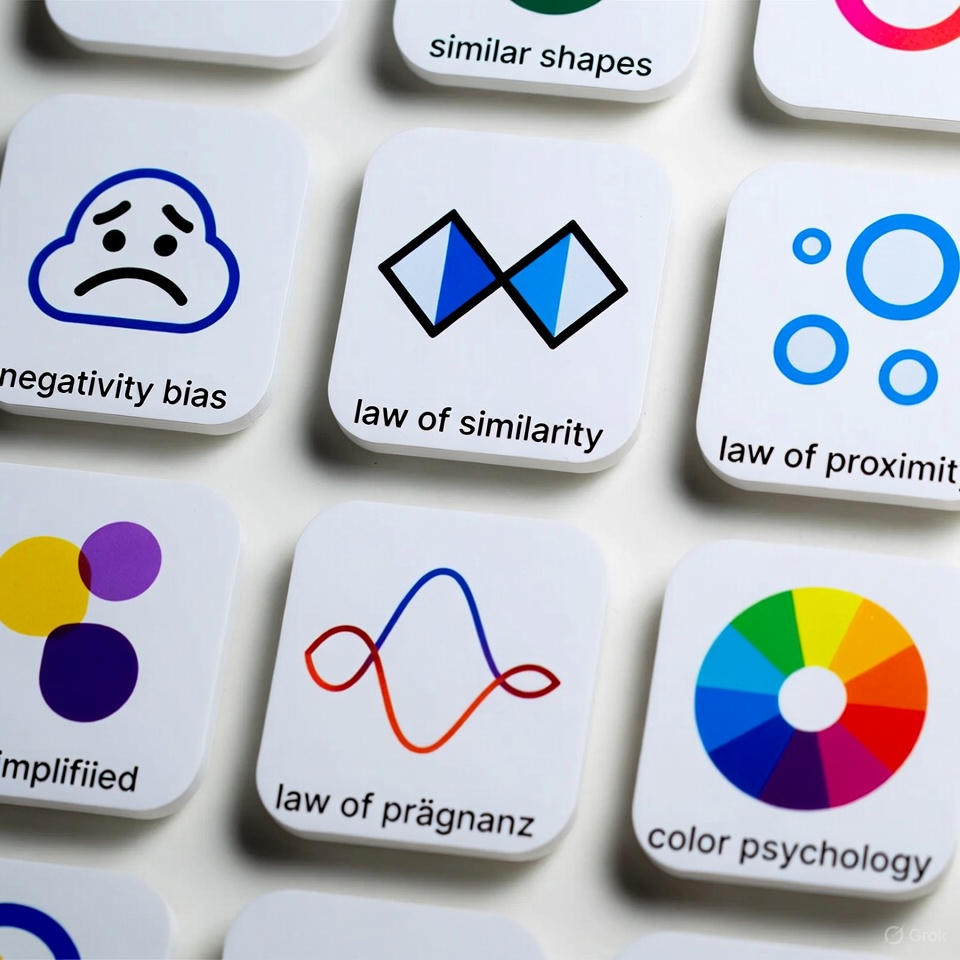
That’s exactly what Negativity Bias is: a cognitive tendency that makes the human brain give more weight to negative experiences than positive ones — even when the positives are more frequent or more significant.
This bias influences how we think, make decisions, evaluate products, and interact with digital experiences.
What Is Negativity Bias?
Negativity Bias is a natural tendency in the brain to pay more attention to negative information than positive information.
The brain sees anything negative as a potential threat, so it treats it as a priority.
Studies show that the human mind:
Remembers negative events faster and with more clarity.
Analyzes mistakes more deeply than successes.
Magnifies negative incidents even if they’re minor.
In short: the brain exaggerates the bad… and downplays the good.
How Does Negativity Bias Appear in User Behavior?
1) Users judge a product by its worst moment
A single confusing step or one bug can cause a user to abandon the entire experience.
2) Negative reviews hit harder
One bad review is enough to damage trust—even if dozens of reviews are positive.
3) Fear of a bad experience blocks action
Users hesitate to sign up, explore, or purchase because they overestimate the risk of disappointment.
4) Users notice problems before features
The eye catches the flaw before appreciating any strong feature.
How Designers Can Use This Principle Effectively
✔ Reduce sources of frustration
Long loading times, vague instructions, or complex flows must be handled carefully.
✔ Highlight safety and reduce perceived risk
Use clear messaging: free trials, refund policies, guarantees, security indicators.
✔ Fix the negative before adding the positive
Users think about what might go wrong first — address that.
✔ Simplify every step
Any ambiguity feels “bigger” inside the user’s mind due to the bias.
Real-World Example: Telegram — How It Handles Negativity Bias
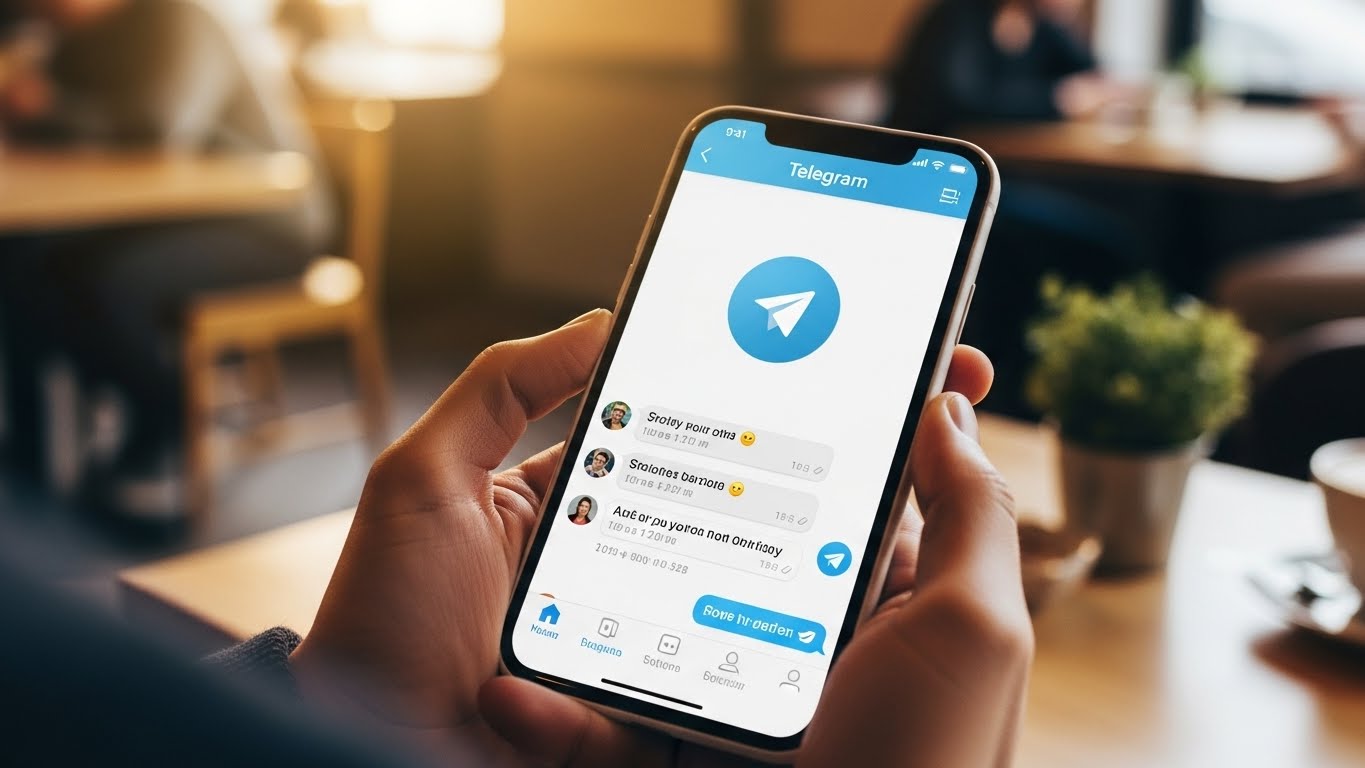
Telegram is a strong example of an app that actively minimizes users’ negative interpretations by providing a secure, simple, and controlled communication environment.
1) Extreme transparency in security
Telegram presents its privacy features clearly:
Secret chat encryption
Session control
App lock options
This reduces anxiety about privacy — one of the biggest potential negative triggers for users.
2) A clean and distraction-free interface
Telegram’s home screen is simple and clutter-free.
Why?
Because even slight visual chaos is easily interpreted as a flaw due to Negativity Bias.
3) Strong control over communication
Features like:
These prevent many negative social experiences from occurring in the first place.
Advantages of Telegram’s Approach to Negativity Bias
1) Reduced sense of danger
Transparent security features minimize fear and uncertainty.
2) Fewer user errors
The simple interface lowers the chances of confusion or mistakes.
3) Users feel in control
High privacy control reduces many potential negative scenarios.
Disadvantages of Telegram’s Approach
1) Too many settings can overwhelm some users
Even though the features fight negativity, complexity can create confusion.
2) High privacy can feel impersonal
Some users feel Telegram is “too private,” reducing the warmth of communication.
3) Simplicity hides advanced features
Users may avoid exploring settings due to fear of messing something up.
Conclusion
Negativity Bias isn’t just a psychological idea — it’s a key element of how users form opinions about products.
The best experience is the one that removes the negative before adding the positive.
Always ask yourself:
What is the worst thing the user might think… and how can I prevent it?